
Cat preventive care helps owners protect their cats before health concerns become serious. Cats often mask discomfort, which makes early support especially important. A cat may keep eating, grooming, or playing while a problem slowly develops. Regular checkups, home observation, and simple routines can make a major difference. Preventive care is not only for sick cats. It is for every cat at every stage of life. Kittens, adults, and seniors all need thoughtful monitoring. The How Often Should Your Cat See the Vet guide helps owners build a care plan that feels clear and realistic.
Prevention gives your cat a better chance at long-term comfort. Many conditions are easier to manage when they are found early. Weight changes, dental disease, parasites, and kidney concerns can begin quietly. A cat health guide helps you understand what deserves attention. Regular vet visits support vaccinations, nutrition advice, and physical exams. They also give you a chance to ask questions. Cat preventive care is not about worrying constantly. It is about creating a steady routine that catches changes early.
Veterinary visits are a core part of prevention. Your vet can check your cat’s teeth, eyes, ears, weight, skin, coat, and movement. They may also recommend vaccines, parasite control, bloodwork, or dental cleaning. A clear cat vet visit checklist helps you arrive prepared. Write down concerns before each appointment. Mention appetite, litter box habits, hiding, vocal changes, or grooming differences. Cat preventive care works best when owners share details honestly. Your observations help your vet see the full picture.
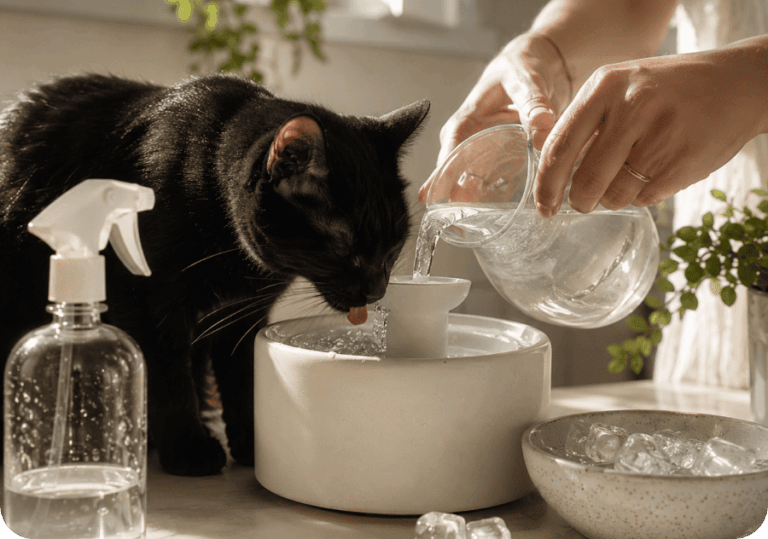
Your cat’s everyday environment shapes their health. Clean water, balanced food, enrichment, grooming, and litter box access all matter. Cats need mental stimulation as much as physical care. Play helps support weight, mobility, and emotional balance. Scratching posts and climbing spaces encourage natural behavior. A feline wellness checklist keeps these daily needs organized. Watch for small changes because cats often communicate subtly. Good routines help you notice when something feels different.
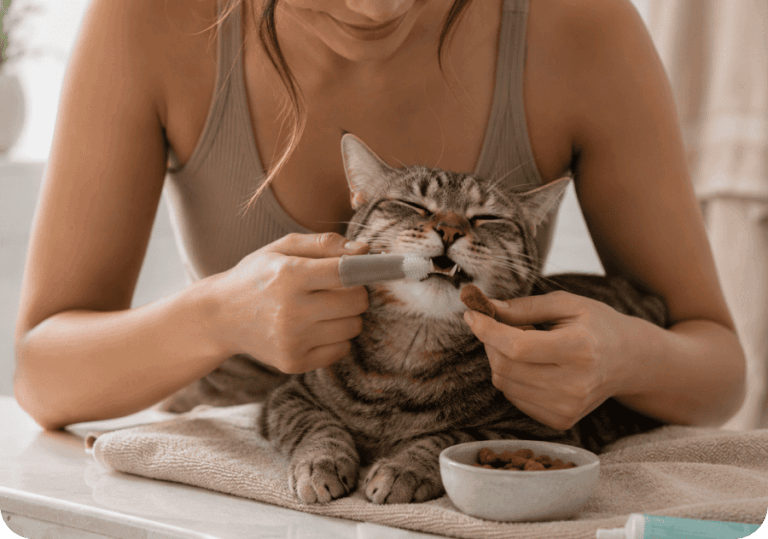
Dental health is easy to overlook, but it affects comfort and overall wellness. Bad breath, drooling, pawing at the mouth, or eating changes can signal trouble. Many cats develop dental disease without obvious complaints. Your vet can examine the mouth during regular checkups. They may recommend brushing, dental treats, or professional cleanings. A cat dental care guide can help owners understand what to watch. Cat preventive care should always include teeth and gums. Comfortable eating supports a happier life.
Senior cats often need more careful monitoring than younger cats. Aging can affect joints, kidneys, thyroid function, vision, and dental health. Behavior changes may appear slowly. A senior cat may sleep more, jump less, or groom differently. These shifts deserve attention, not dismissal. A senior cat wellness guide helps owners track age-related changes. Cat preventive care becomes even more important during later years. Earlier support can improve comfort and quality of life.
A good prevention plan does not need to feel complicated. Schedule regular vet visits. Track weight and behavior. Keep vaccines and parasite prevention current. Watch litter box habits closely. Ask your vet about dental care and nutrition. Use notes so you do not rely on memory. Cat preventive care becomes easier when you repeat small actions consistently. For a practical owner-friendly resource, How Often Should Your Cat See the Vet can help you build that routine.


Leave a comment