
Routine vet care for cats helps owners stay ahead of health concerns that may not be obvious at home. Cats are skilled at hiding discomfort, so visible symptoms often appear late. Regular checkups allow a veterinarian to assess weight, teeth, coat, mobility, and behavior. They also help you understand what is normal for your cat. Every cat’s needs can change with age, lifestyle, and medical history. A simple plan makes care less confusing. The How Often Should Your Cat See the Vet guide gives owners a practical way to organize routine visits.
Routine care gives your cat consistent support throughout life. A healthy-looking cat may still have dental pain, parasites, weight changes, or early disease signs. Veterinary exams help identify these issues sooner. A cat wellness checklist helps you prepare better for every appointment. Bring notes about appetite, thirst, litter box habits, and mood. Mention any hiding, vocal changes, or grooming differences. Routine vet care for cats works best when owners and vets share clear information. The goal is prevention, not panic.
Age affects how often your cat may need professional care. Kittens usually need several visits during early development. Adult cats often need yearly wellness exams, depending on health status. Senior cats may benefit from more frequent monitoring. Your vet can recommend the right schedule for your cat’s situation. A cat care schedule helps you keep appointments organized. Routine vet care for cats should change as your cat’s needs change. Flexible planning keeps care relevant and useful.
Preparation can make the visit smoother for you and your cat. Keep the carrier out before appointment day. Add soft bedding and familiar scents. Write questions before leaving home. Bring medication names, food details, and health notes. If your cat gets stressed, ask your vet about handling strategies. A cat vet preparation guide can reduce last-minute stress. Calm preparation helps your cat feel more secure. It also helps your veterinarian gather better information.
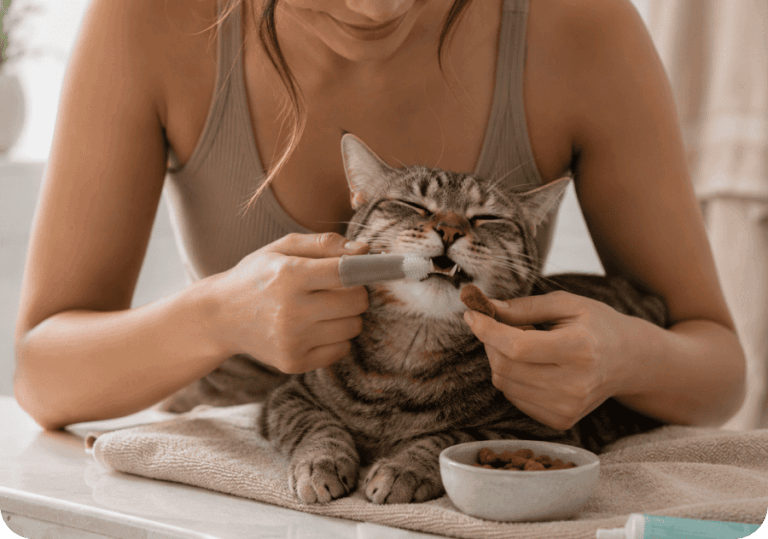
Dental health should be part of routine care. Cats may suffer from gum disease, tooth pain, or mouth inflammation without obvious signs. Bad breath, drooling, or changed eating habits may indicate trouble. Your vet can check your cat’s mouth during exams. They may recommend home care or professional cleaning. A cat dental health checklist helps owners remember this important topic. Routine vet care should always include teeth, gums, and eating comfort. Dental comfort affects daily quality of life.
Home tracking supports better appointments. You know your cat’s normal behavior better than anyone. Track eating, drinking, bathroom habits, grooming, sleep, and play. Notice whether your cat jumps less, hides more, or seems unusually quiet. These details can guide your vet’s questions. A feline health tracker helps you avoid relying on memory. Routine vet care for cats becomes stronger when home observations support clinical exams. Small notes can reveal meaningful patterns.
The best care routine is one you can actually follow. Set reminders for checkups, vaccines, parasite prevention, and dental conversations. Keep health records in one place. Make the carrier familiar instead of frightening. Review your cat’s habits weekly. Ask your vet what changes deserve urgent attention. Routine vet care for your cat becomes easier when it feels organized. For owners who want a simple reference, How Often Should Your Cat See the Vet offers clear, practical support.


Leave a comment