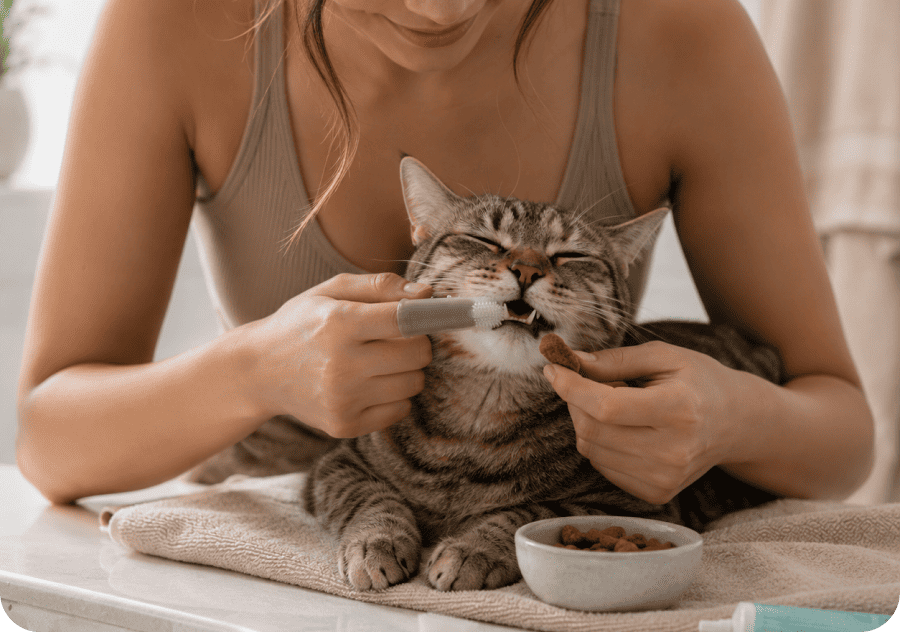
A cat vet visit guide helps owners understand when checkups matter, what to ask, and how to protect long-term feline health. Cats often hide discomfort, so waiting for obvious symptoms can create unnecessary risks. Regular veterinary care gives you a clearer picture of your cat’s weight, teeth, behavior, appetite, and overall condition. Kittens, adult cats, and senior cats all need different levels of attention. Indoor cats still need checkups because illness can develop quietly. A structured plan removes confusion and helps you feel prepared. The How Often Should Your Cat See the Vet guide gives cat owners a practical way to organize care.
A clear care schedule helps you avoid guessing about your cat’s needs. Many cats seem healthy until a problem becomes advanced. Veterinary visits can catch weight changes, dental issues, parasites, joint stiffness, and early disease signs. A useful cat health checklist makes each appointment more productive. You can track eating habits, litter box changes, grooming behavior, and mood shifts. These details help your vet understand your cat better. A cat vet visit guide is especially helpful for new owners who want simple direction. It also supports experienced owners who need a more organized routine.
Kittens need frequent visits during their first months because their bodies change quickly. Early appointments usually cover vaccines, parasite checks, nutrition, growth, and behavior questions. Your vet can also discuss spaying, neutering, microchipping, and safe socialization. A kitten vet visit checklist helps owners remember important questions before each appointment. Young cats may seem energetic even when something needs attention. That makes routine care especially valuable. Use early visits to build confidence and reduce future stress. A cat vet visit guide helps you turn those first appointments into a strong health foundation.
Your observations at home matter more than many owners realize. Watch your cat’s appetite, water intake, energy, grooming, and litter box habits. Small changes can reveal important health clues. Weight gain or weight loss should never be ignored. Bad breath may suggest dental disease. Hiding more than usual can signal discomfort. Increased thirst can point toward medical concerns. A simple feline health tracker helps you bring useful details to the clinic. Your vet can give better guidance when you provide clear patterns.
Adult cats often benefit from yearly wellness exams, though some cats need more frequent care. Lifestyle, age, breed, weight, diet, and medical history can all affect timing. Indoor cats still need professional checkups because hidden conditions can develop slowly. Dental care becomes especially important during adulthood. Your vet may recommend bloodwork, vaccines, parasite prevention, or nutrition changes. A feline wellness routine helps you stay consistent. A cat vet visit guide gives adult cat owners a simple framework for prevention. Consistency makes care easier and less stressful.

Senior cats need closer attention because age-related changes can appear gradually. Arthritis, kidney disease, dental pain, thyroid issues, and vision changes may develop quietly. Older cats may hide symptoms even when they feel uncomfortable. More frequent checkups can help identify changes earlier. Your vet may suggest bloodwork, urine testing, weight monitoring, or pain assessments. A senior cat health guide can help owners watch for subtle warning signs. A cat vet visit guide becomes especially valuable during these later years.
Vet visits feel easier when you prepare ahead of time. Keep your cat carrier visible before the appointment. Add a familiar blanket to reduce stress. Write down questions before you leave home. Bring notes about eating, drinking, litter box habits, and behavior changes. Stay calm because cats often sense tension. Ask your vet what schedule fits your cat’s age and health history. The How Often Should Your Cat See the Vet eBook helps owners turn appointments into a simple care routine.



Leave a comment