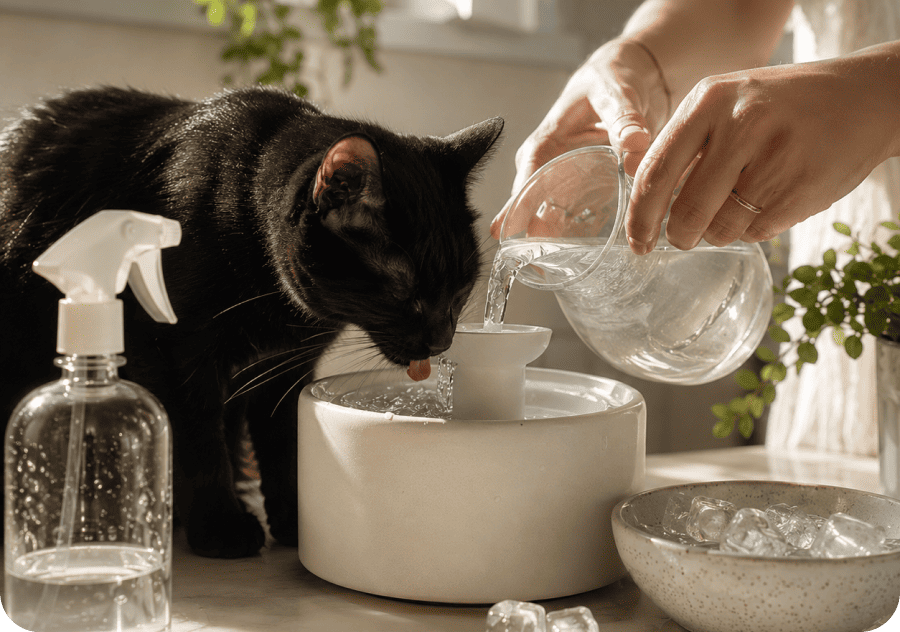
A pet health guide for cat owners helps turn daily observations into smarter care decisions. Cats are quiet communicators, so owners need to notice small changes. Appetite, water intake, litter box habits, grooming, movement, and mood all matter. A simple health plan helps you understand what to track and when to ask for help. It also makes vet visits more productive. You do not need to become an expert overnight. You need practical guidance you can actually use. The How Often Should Your Cat See the Vet guide gives owners a clear starting point.
Cat care can feel simple until something changes. A cat may hide pain, reduce play, drink more water, or avoid the litter box. These signs may seem small, but they can matter. A pet health guide helps you organize those details. It also helps you prepare better questions for your vet. Use a cat health checklist to track common wellness areas. This gives your vet useful context. Better information often leads to better support. Clear routines protect your cat’s comfort.
Each life stage brings different care needs. Kittens need vaccines, growth checks, parasite prevention, and early behavior guidance. Adult cats need steady wellness exams, weight monitoring, and dental attention. Senior cats may need more frequent screenings and closer home observation. A pet health guide for cat owners helps you adjust expectations over time. Use a feline wellness routine to keep care consistent. Your vet can personalize recommendations based on your cat’s health history. Stage-based planning keeps care practical.
Daily habits reveal a lot about feline wellness. Watch how much your cat eats and drinks. Notice whether litter box use changes. Pay attention to grooming, hiding, jumping, sleeping, and vocal behavior. A cat that suddenly acts different deserves closer attention. Weight changes are also important. So are bad breath, coughing, limping, or repeated vomiting. A cat symptom tracker can help you record concerns. Small observations become more useful when they are written down.
Vet visits are easier when you know what to bring. Prepare notes about food, medication, behavior, and recent changes. Ask about vaccines, parasites, dental care, weight, and nutrition. Bring questions instead of trying to remember everything during the appointment. A pet health guide for cat owners can turn scattered concerns into a focused checklist. Use a cat vet visit guide to make each visit more useful. Your veterinarian can help you decide the right schedule. Consistency supports long-term health.
Senior cats deserve special attention because age-related changes can be subtle. A cat may jump less, sleep more, groom poorly, or become more withdrawn. These changes may point to discomfort or illness. Older cats may also need bloodwork, dental checks, or mobility support. A cat health guide helps you track these patterns over time. Use a senior cat health checklist to stay organized. Earlier conversations with your vet can improve comfort. Aging cats benefit from gentle, consistent monitoring.
Good cat care becomes easier when it fits your real life. Keep notes in one place. Set reminders for appointments. Watch basic habits weekly. Keep the carrier familiar. Ask your vet what signs need urgent attention. A cat health guide gives you structure without making care feel overwhelming. It helps you stay calm, prepared, and proactive. For a practical digital resource, explore How Often Should Your Cat See the Vet.



Leave a comment